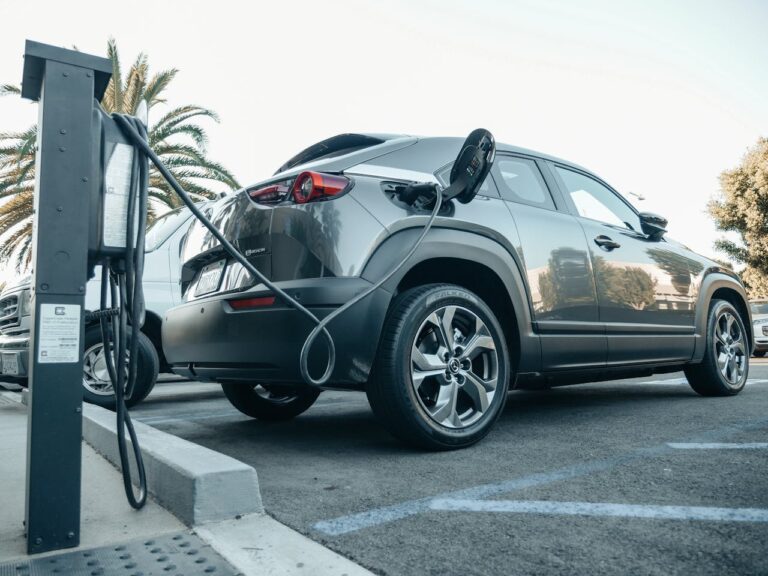
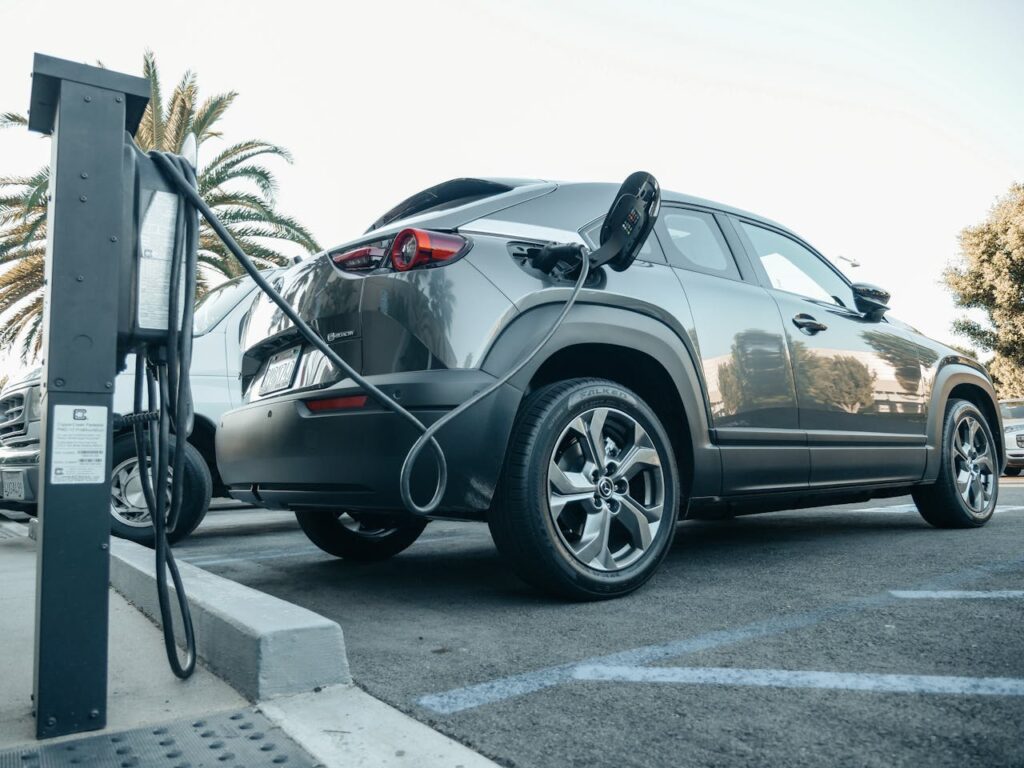
Electric vehicles are reshaping the automotive logistics landscape, not only through technological innovation but also through their physical design. One of the most important operational challenges for car carriers is the increased weight associated with EV battery systems.
Modern electric vehicles can weigh 20–40% more than comparable gasoline models, largely due to large lithium-ion battery packs installed beneath the vehicle floor. This additional mass creates new considerations for transport planning, particularly when loading multiple vehicles onto a single carrier.
Understanding EV weight distribution is essential for maintaining vehicle safety, regulatory compliance, and transport efficiency.
Why Electric Vehicles Are Heavier
Unlike traditional vehicles where the engine and fuel system represent the primary weight components, electric vehicles rely on large battery packs that often weigh between 800 and 1,500 pounds.
These batteries are typically mounted along the chassis floor to lower the vehicle’s center of gravity and improve driving stability. While this design benefits driving performance, it introduces new challenges during vehicle transport.
Heavier vehicles affect several aspects of logistics operations:
- total carrier load limits
- axle weight distribution
- ramp stress during loading
- fuel consumption of transport trucks
When carriers transport multiple EVs simultaneously, these factors must be carefully calculated to avoid exceeding regulatory limits.
Carrier Load Limitations
Most multi-vehicle car carriers operate within strict federal weight limits for commercial transport vehicles. The Gross Vehicle Weight Rating (GVWR) determines how much combined weight a truck, trailer, and cargo can safely carry.
Because EVs are heavier, carriers may need to reduce the number of vehicles loaded onto a trailer to remain within legal limits.
For example:
- a carrier that normally transports 9 gasoline sedans may only load 6–7 electric vehicles
- mixed loads may require strategic placement of EVs and lighter vehicles
These adjustments can affect transport costs and scheduling efficiency.
Strategic Vehicle Placement on Carriers
Proper placement of electric vehicles on a car carrier is essential for maintaining safe weight distribution across the trailer.
Logistics planners often place heavier vehicles:
- closer to the trailer axles
- on lower deck positions
- evenly distributed along the trailer frame
This placement strategy helps prevent excessive stress on specific sections of the trailer while maintaining vehicle stability during long-distance transport.
Incorrect distribution could lead to increased tire wear, braking challenges, or regulatory violations.
Structural Considerations for Transport Equipment
As EV adoption grows, transport equipment manufacturers are adapting trailer designs to handle heavier vehicles more effectively.
Recent innovations include:
- reinforced trailer frames
- adjustable loading decks
- improved hydraulic lift systems
- higher load-capacity wheel straps
These engineering improvements help ensure that car carriers can safely transport heavier electric vehicles without compromising structural integrity.
Operational Planning for EV Shipments
Logistics companies must incorporate EV weight considerations into their route planning and dispatch strategies.
Important operational factors include:
- bridge weight restrictions
- fuel efficiency impacts
- loading time adjustments
- vehicle spacing requirements
Dispatch teams increasingly rely on digital load planning systems that calculate weight distribution automatically before trucks leave the terminal.
These tools reduce human error and help maintain compliance with transport regulations.
Preparing for the Future of EV Transport
The share of electric vehicles in dealer inventories continues to rise, and logistics providers must prepare for a future where EVs represent a significant portion of transported vehicles.
Investments in equipment upgrades, driver training, and load optimization technologies will be essential for maintaining efficiency in EV logistics.
Understanding the impact of vehicle weight is one of the most important steps toward building a transport network capable of supporting the next generation of electric mobility.