Automotive manufacturing is undergoing significant transformation. Over the past decade, vehicle production has increasingly shifted across regions as manufacturers adjust supply chains, respond to market demand, and adapt to evolving regulatory requirements.
These production shifts have a direct impact on regional vehicle distribution networks. As assembly plants relocate or expand into new areas, logistics providers must adapt their transport strategies to ensure vehicles reach dealerships efficiently.
For automotive logistics companies, understanding how production trends influence distribution patterns has become an essential part of strategic planning.
Why Production Locations Are Changing
Automotive manufacturers regularly reassess production locations to optimize supply chains and improve operational efficiency. Several factors influence decisions about where vehicles are manufactured.
Common drivers of production shifts include:
- labor cost differences between regions
- proximity to supplier networks
- trade agreements and tariffs
- regulatory incentives for domestic manufacturing
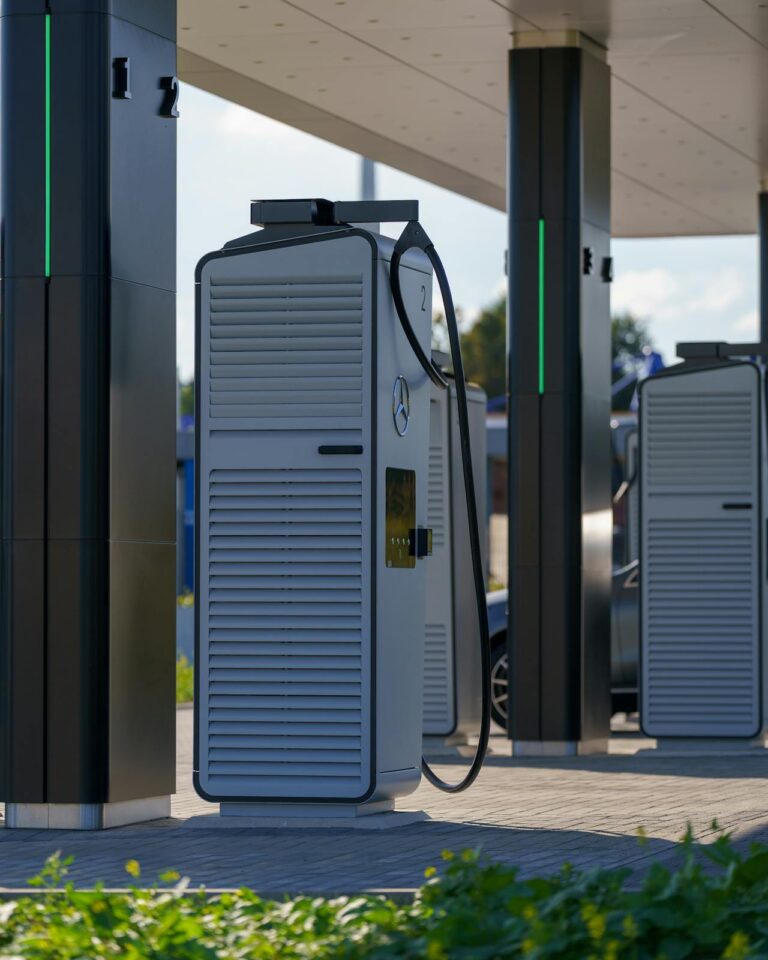
In recent years, manufacturers have also begun adjusting production strategies to support electric vehicle manufacturing, which often requires specialized supply chains and battery production facilities.
Impact on Vehicle Distribution Networks
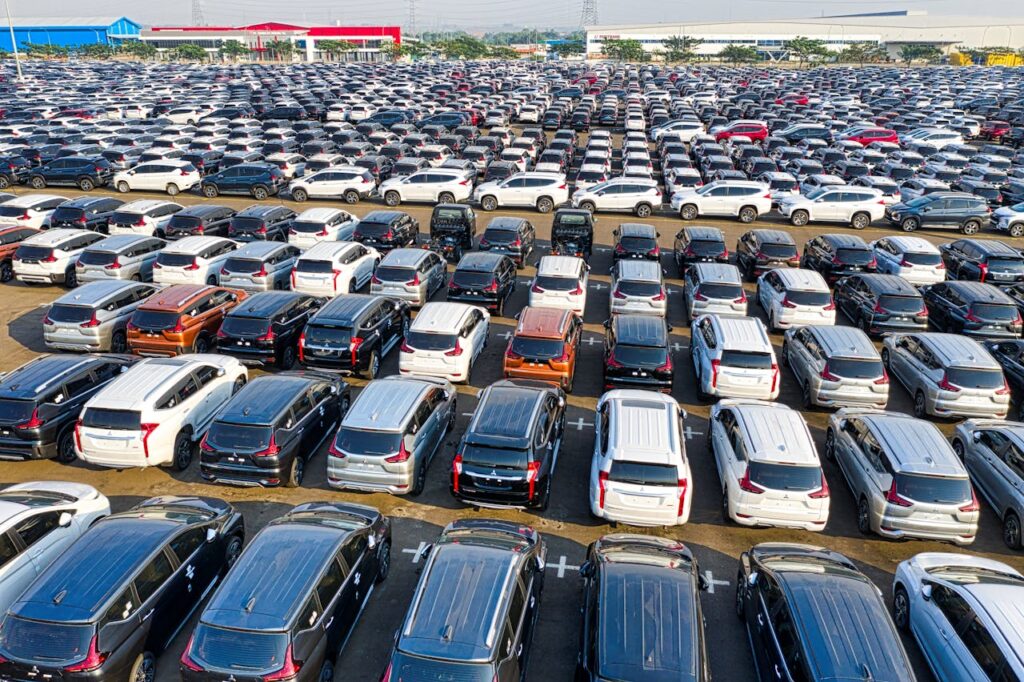
When production shifts occur, the distribution network must adjust accordingly. Vehicles manufactured in new regions require updated transport routes and revised logistics planning.
Changes in production locations can affect:
- average transport distances
- regional carrier demand
- port and rail usage patterns
- delivery timelines to dealerships
Logistics providers must quickly adapt their distribution strategies to maintain efficient vehicle flow across the network.
Regional Supply Chain Adjustments
New production locations often require expanded logistics infrastructure. Distribution hubs, rail terminals, and transport staging facilities may need to be established closer to newly developed manufacturing plants.
These adjustments help support faster vehicle movement from factories to dealerships.
Logistics planners may also develop new regional transport corridors that connect production facilities with major vehicle markets.
These corridors become essential for maintaining predictable delivery timelines.
The Role of Rail and Port Logistics
Large-scale vehicle production shifts can also influence how vehicles move through rail and port infrastructure. For example, vehicles produced in inland regions may rely more heavily on rail transport before entering road-based distribution networks.
Similarly, production increases in coastal areas may lead to greater use of port facilities for vehicle exports or domestic redistribution.
Efficient coordination between rail, port, and road transport becomes increasingly important as production networks evolve.
Electric Vehicle Manufacturing Expansion
The rapid expansion of electric vehicle manufacturing is another factor influencing production location decisions.
EV production facilities often require proximity to battery manufacturing plants and specialized supply chains.
As these new facilities emerge, logistics providers must adapt to new vehicle transport requirements, including heavier vehicles and different distribution patterns.
This shift is gradually reshaping automotive logistics across many regions.
Preparing Logistics Networks for Production Changes
Automotive production shifts are likely to continue as manufacturers adjust to global market conditions and evolving vehicle technologies.
Logistics companies that maintain flexible transport networks will be better positioned to adapt to these changes.
Investments in route planning technology, distribution infrastructure, and carrier partnerships can help logistics providers respond quickly when manufacturing patterns shift.
Understanding production trends therefore plays a key role in building resilient and efficient vehicle distribution systems.