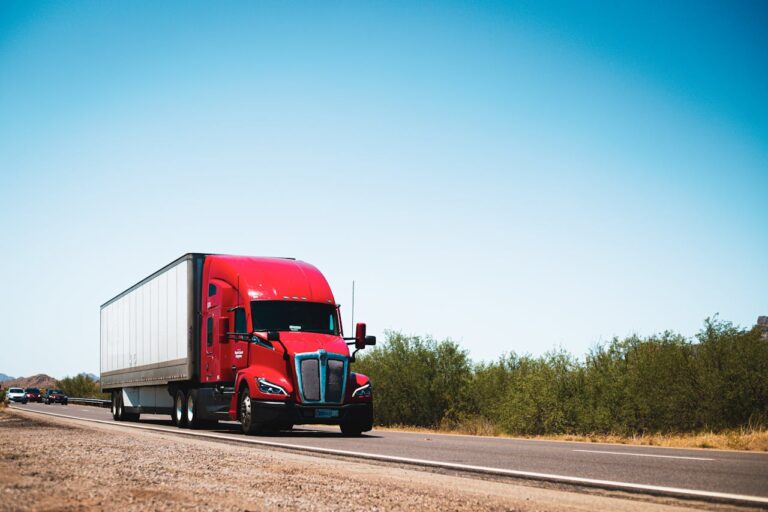
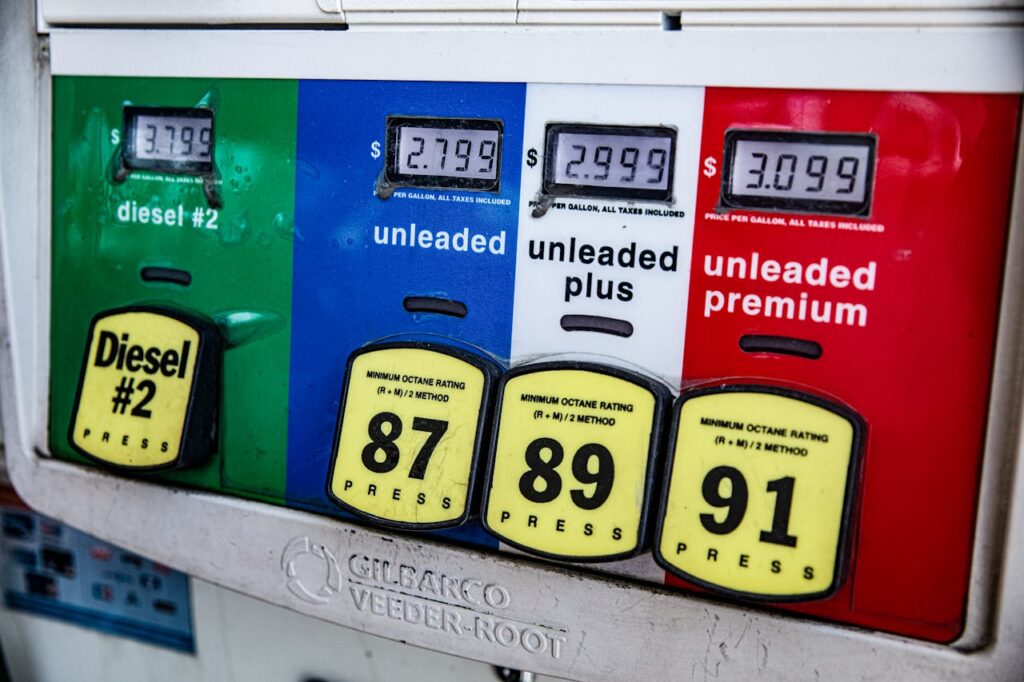
Fuel costs represent one of the largest operating expenses in vehicle transport. Because car carriers travel long distances and operate heavy transport equipment, even small changes in fuel prices can significantly affect shipping costs.
Fluctuating fuel prices therefore play a critical role in automotive logistics economics. Transport companies must constantly adapt pricing models and route planning strategies to account for these changes.
Understanding how fuel volatility affects vehicle shipping can help dealerships and logistics providers plan more effectively for transport expenses.
Fuel as a Major Transport Cost Component
For long-haul carriers, fuel expenses can represent a substantial portion of total operating costs.
Factors influencing fuel consumption include:
- vehicle load weight
- route distance and terrain
- traffic conditions
- driving speed and efficiency
Because car carriers transport multiple vehicles at once, fuel costs are distributed across each shipment. However, when fuel prices increase significantly, overall transport rates may rise accordingly.
Fuel Surcharges in Vehicle Transport
To manage fluctuating fuel costs, many transport companies implement fuel surcharge systems. These surcharges adjust transport pricing based on current fuel price levels.
Fuel surcharges help carriers maintain financial stability during periods of price volatility.
Typically, surcharge adjustments are calculated based on:
- regional diesel price indexes
- route distance
- total shipment weight
This system allows logistics providers to maintain consistent service even when fuel markets fluctuate.
Impact on Logistics Planning
Fuel volatility can influence logistics planning in several ways. Transport companies may adjust routes, consolidate shipments, or modify scheduling strategies to improve fuel efficiency.
Common fuel-saving strategies include:
- optimizing transport routes
- maximizing trailer capacity
- minimizing empty return trips
- reducing idle time during loading
These operational adjustments help carriers maintain profitability despite fluctuating fuel prices.
Long-Term Industry Adaptation
The automotive logistics industry continues to explore new ways to reduce fuel dependency. Some companies are investing in alternative fuel technologies, improved aerodynamic truck designs, and more efficient transport equipment.
Advances in route planning software also allow carriers to reduce fuel consumption by optimizing travel paths and minimizing unnecessary mileage.
While fuel price volatility will likely remain a constant factor in vehicle transport economics, technological improvements may gradually reduce its impact on logistics operations.
Balancing Cost Stability and Transport Efficiency
For dealerships and logistics providers, understanding fuel-related cost fluctuations is essential for managing transport budgets effectively.
Companies that monitor fuel trends, maintain flexible logistics strategies, and collaborate closely with carriers can adapt more easily to changing market conditions.
Fuel price volatility will continue to shape vehicle transport pricing, making cost awareness an important component of modern automotive logistics planning.