Electric vehicle adoption has accelerated significantly in recent years, driven by government incentives, technological improvements, and growing consumer demand. While manufacturers are scaling production rapidly, the logistics infrastructure supporting dealer deliveries is struggling to keep pace.
From charging availability at distribution centers to limited storage capacity at dealerships, several infrastructure bottlenecks are emerging that directly affect EV delivery timelines.
Understanding these challenges is essential for logistics providers and automotive retailers working to optimize vehicle distribution networks.
Charging Infrastructure at Distribution Hubs
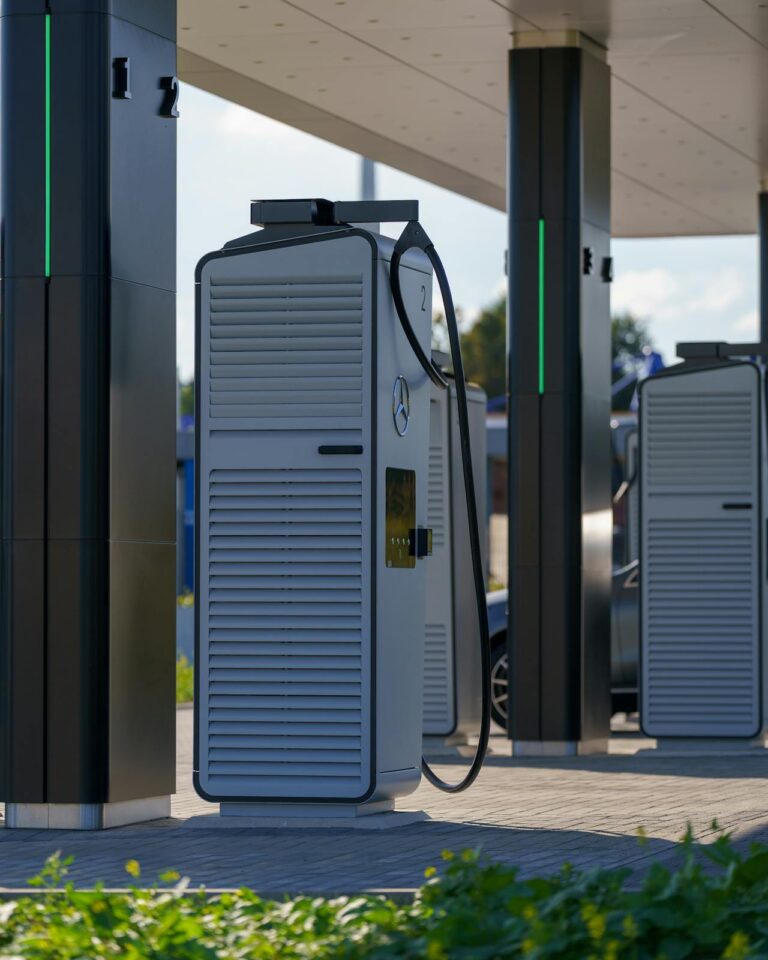
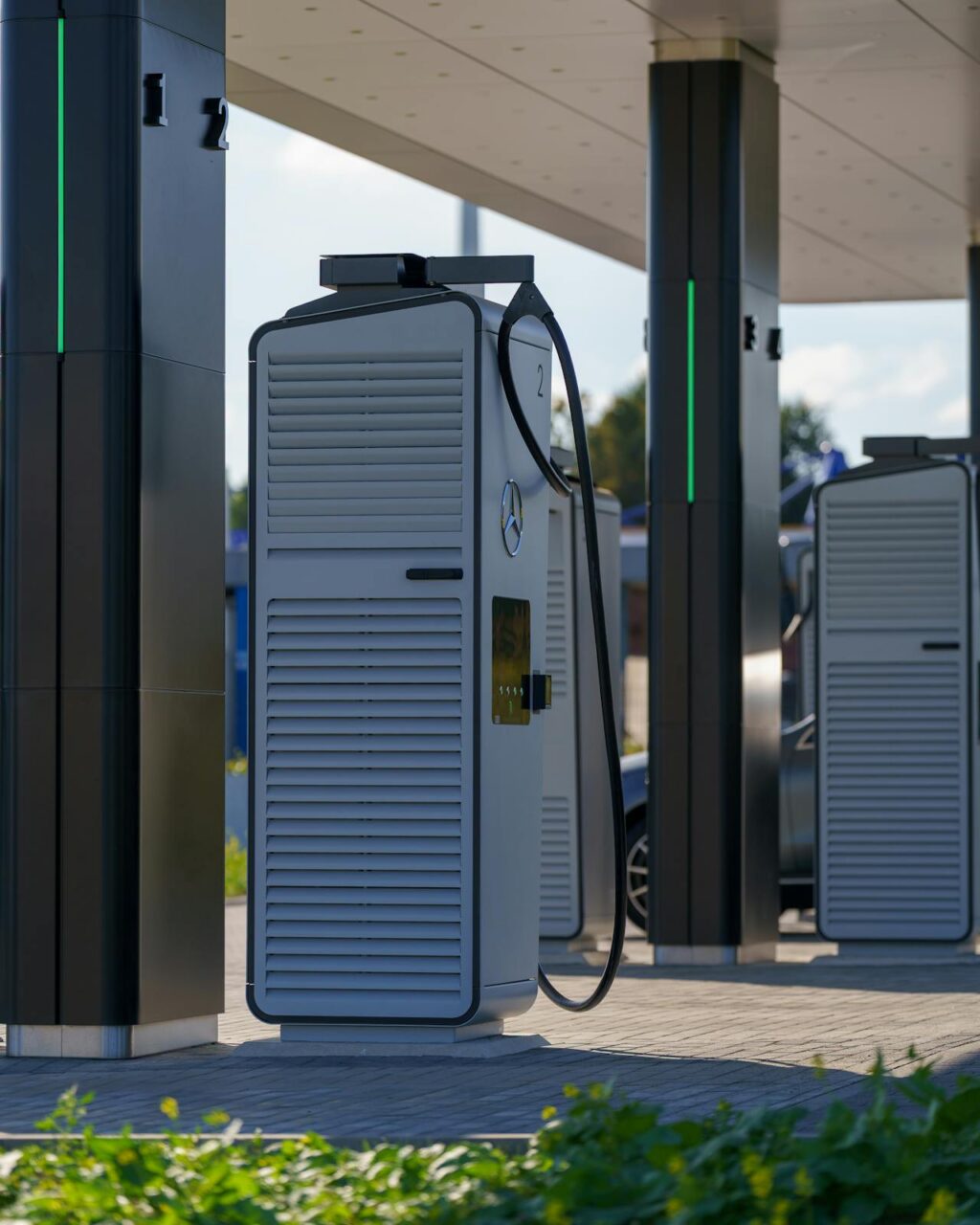
One of the most significant infrastructure challenges affecting EV logistics is the availability of charging stations at vehicle distribution centers.
Unlike gasoline vehicles that can be delivered with minimal preparation, electric vehicles often require partial charging before reaching dealerships. However, many logistics facilities were originally designed for conventional vehicle processing and lack sufficient charging infrastructure.
Common issues include:
- limited number of charging stations
- long charging times for large battery packs
- electrical capacity constraints within older facilities
Without adequate charging infrastructure, distribution hubs may experience delays that slow the entire delivery pipeline.
Dealer Facility Limitations
Many dealerships were not originally designed to handle large volumes of electric vehicles. As EV inventory increases, dealers must adapt their facilities to support charging, battery diagnostics, and vehicle preparation.
Infrastructure limitations at dealerships may include:
- insufficient charging stations for incoming vehicles
- limited technician training for EV systems
- parking space constraints for high-value inventory
These challenges can slow down the final stage of the delivery process, delaying vehicle availability for customers.
Port and Rail Processing Delays
Electric vehicles imported through major U.S. ports often face additional processing requirements before entering domestic transport networks.
Ports and rail yards must increasingly accommodate EV-specific procedures such as battery inspections and charging preparation.
In some locations, limited EV-capable infrastructure can create congestion that slows vehicle distribution across entire regions.
Improving port processing capacity will become increasingly important as EV imports continue to grow.
Logistics Network Adaptation
To overcome infrastructure bottlenecks, many automotive logistics providers are investing in new technologies and facility upgrades.
Key improvements include:
- installation of fast-charging stations at logistics hubs
- expansion of EV-ready parking areas
- digital inventory tracking systems
- improved coordination between ports, carriers, and dealerships
These upgrades help reduce delivery delays and improve overall supply chain efficiency.
Preparing the Dealer Network for EV Growth
As electric vehicle adoption continues to accelerate, dealerships and logistics providers must work together to modernize the infrastructure supporting vehicle deliveries.
Investments in charging networks, improved facility layouts, and advanced logistics software will be essential for supporting the growing volume of electric vehicles entering the market.
Addressing these infrastructure bottlenecks today will help ensure that EV distribution networks remain reliable as the industry transitions toward a more electrified future.